Most owners we talk to have had the same experience at least once. They arrive in spring, tired from the journey, open the front door and get hit by that smell: stale air, a bit of damp, something from the drains. Nothing is broken, exactly. But the first day of the holiday goes on opening windows, wiping mould off the bathroom ceiling and wondering why the fridge looks the way it does.
None of that is bad luck. It's what a house near the sea does when nobody lives in it.
Damp moves in first
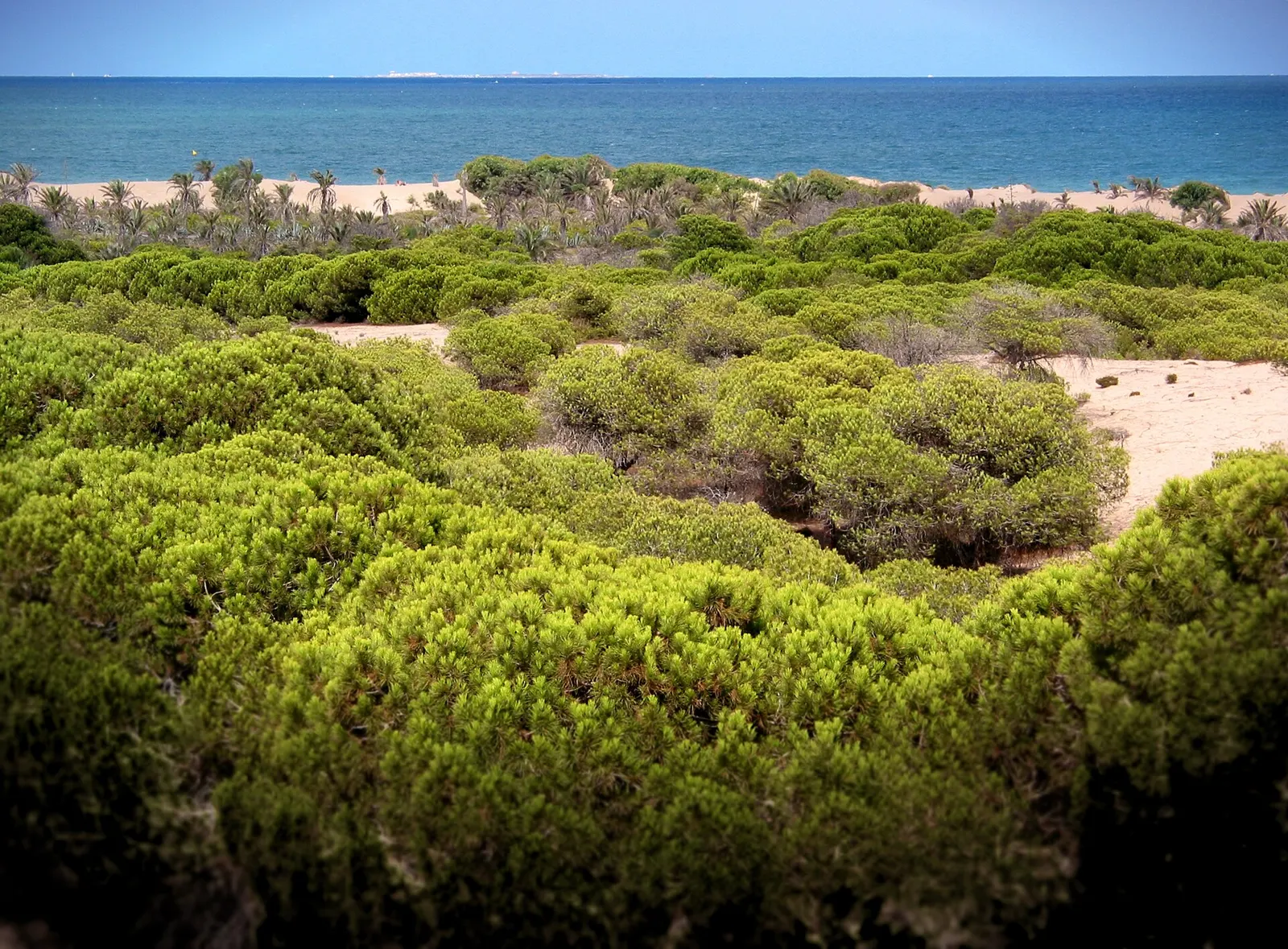
On the Costa Blanca the air is mild but humid, especially from autumn to spring and in homes close to the beach, the salt lakes or the pine forest. With the shutters down and no one cooking, showering or opening windows, that moisture has nowhere to go. It settles in wardrobes, mattresses, sofas and on cold walls. A few weeks are enough for the first dark spots behind furniture.
Airing the house for an hour, every couple of weeks, makes a surprising difference. So does leaving wardrobe doors ajar and a dehumidifier running in the worst room.
Drains dry out, and the smell comes back up
Every sink, shower and washing machine has a U-bend that holds a little water. That water is what keeps sewer smells out of the house. In a closed home it evaporates in a few weeks, and the smell climbs straight up. Running each tap for a few seconds on every visit solves it. It's a small thing, and it's the most common complaint we hear.
Salt air works slowly on metal
Locks, shutter mechanisms, railings, the outdoor unit of the air conditioning: anything metal near the coast is slowly being eaten by salt. You don't notice until a key won't turn or a shutter jams halfway. Opening and closing everything, and a little lubricant once a season, keeps things moving.
Water is the real risk
A dripping cistern, a worn hose under the sink, a water heater that starts to leak. In a lived-in home you'd spot it the same day. In an empty one it can run for weeks. Water damage is one of the most common home insurance claims in Spain, and the cost has very little to do with the size of the leak and everything to do with how long nobody noticed.
That's why we combine visits with flood sensors: small battery devices under sinks and next to the water heater that send an alert the moment they get wet.
And a house that looks empty, looks empty
Post piling up behind the door, the same shutters down for months, a garden that stops being watered. None of it guarantees trouble, but it does tell anyone passing that nobody is home. Collecting the post, changing which shutters are open and a simple presence simulator with smart plugs go a long way.
The routine that prevents almost all of it
- Air the house and run every tap on each visit
- Check ceilings, walls and the water heater for any sign of damp or leaks
- Open and close shutters, doors and locks
- Look at the terrace drains and gutters, especially before and after storms
- Collect the post and keep the outside looking lived-in
- A photo report after each visit, so you see it with your own eyes


.jpg)


.jpg)

